
Fake miracle-cure ads on Facebook are a public-health threat, writes ULAB lecturer
Facebook and TikTok ads that promise a miracle cure for diabetes should be treated as consumer fraud and a public-health offence, writes ULAB lecturer Dewan Shahnoor Alam Sourav. His Dhaka Tribune opinion piece, published on Saturday, cites cases in which doctors’ and newspapers’ identities were counterfeited.
 admin
Our correspondent
Advertisements on Facebook and TikTok that promise a complete cure for diabetes and other illnesses in seven days should not be treated as harmless chatter, warns Dewan Shahnoor Alam Sourav, a lecturer in the Department of Media Studies and Journalism at the University of Liberal Arts Bangladesh (ULAB). In an opinion piece published in Dhaka Tribune at 9:49 a.m. on Saturday, 14 November 2026 (Asia/Dhaka), he writes that this is a business selling unregistered medicines, and that it should be treated as consumer fraud and a public-health offence.
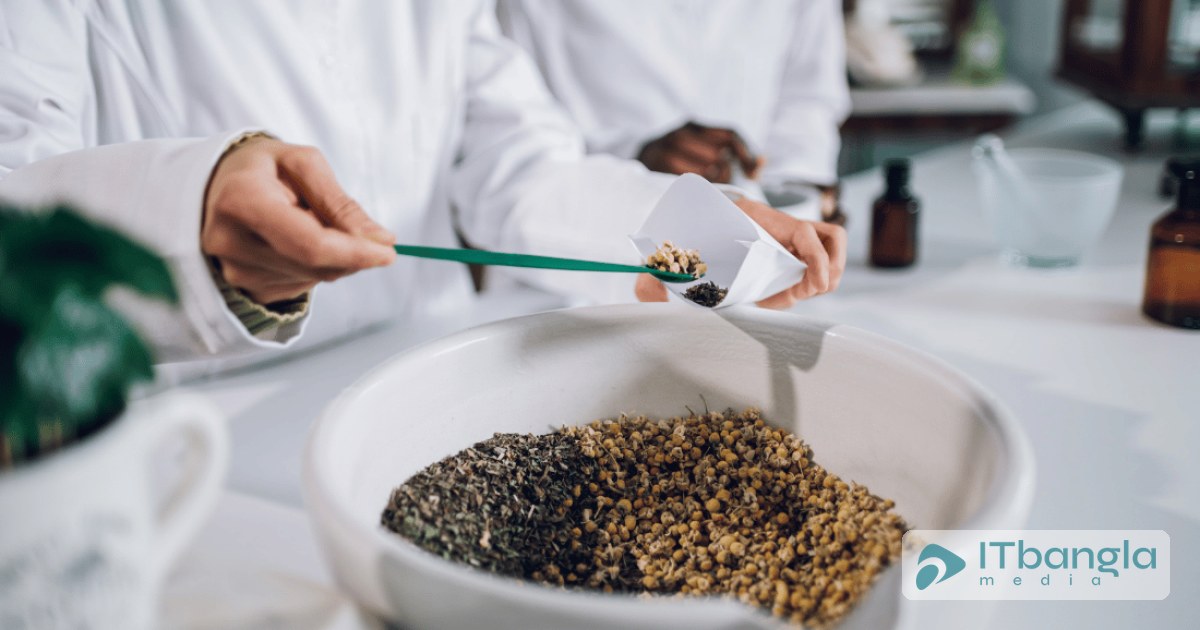
Sourav opens with a familiar scene. After a new diabetes diagnosis, a doctor advises medication, diet and regular monitoring. Then a walking companion forwards a video in which a person in a white coat promises a cure in seven days—no injections, no side effects—for 3,500 taka, cash on delivery. This is a harmful business, he writes, and its customers are dying.
Diabetes is a condition that can last a lifetime, and no lasting cure currently exists, he argues. That fact, he says, underpins a commercial ecosystem on Facebook and TikTok of fake doctors, unregistered supplements and “miracle” pills, sold to people who are frightened, exhausted or priced out of regular care. Claims that herbal alternatives can replace insulin or prescribed medicine have no credible scientific evidence, he writes. The greatest danger comes when a patient stops a prescribed drug because a post said it was no longer needed.
He also cautions that the words “herbal” and “natural” create a false sense of safety. A product with no declared dose, no tested purity and no registration is simply an unknown substance. The article says patients are hospitalised each month with liver, kidney or cardiovascular complications after following unqualified health advice on social media. It does not, however, cite a specific figure or source for that claim.
What makes the scam distinctive, Sourav writes, is how it borrows trust—counterfeiting the doctor, the professor and the familiar newspaper name and logo. He cites Dr Jahangir Kabir, a health advocate who promotes lifestyle-based approaches to managing diabetes. Dr Kabir has said dishonest groups are misusing his name to sell unregulated medicines, and that hundreds of fake Facebook pages have been created in his name, some even copying the blue-badge image of his verified profile. Later news reports have also documented that complaint.
The name and image of microbiologist Dr Senjuti Saha were also used in a fraudulent campaign, and she filed a general diary with the police. Prothom Alo reported at the time that she filed the diary at Mohammadpur Police Station on 1 July 2024. Dismislab later traced a product called Optimax to counterfeit pages mimicking Prothom Alo, featuring fabricated interviews with well-known Bangladeshi professionals. Sourav’s article describes Optimax as a diabetes product. Contemporary reporting by Dismislab, Prothom Alo and The Daily Star, however, found that in Bangladesh it was promoted as an eye supplement claimed to restore vision. Dismislab said a similar international network had also marketed supposed diabetes cures in other countries.
On 14 May 2024 at 7:22 p.m. (Asia/Dhaka), Dhaka Tribune reported that the Ministry of Health and Family Welfare had warned that fake Facebook accounts were being opened in the name of the then health minister, Samanta Lal Sen, to run advertisements that could cheat the public. The ministry said the minister had no Facebook account.
Sourav writes that the assumption that more smartphones would mean more awareness does not match the evidence. Studies suggest, he says, that mobile-phone ownership is associated with greater exposure to misinformation, not only greater access to information. The article does not name those studies. In a country where phones have reached the village before the specialist, he writes, the same device that can deliver a telemedicine consultation also delivers a “cure,” and in many cases the second arrives first. Self-medication was already common; social-media promoters have learned to monetise it, he argues.
He does not spare the media. Occasional “myth-buster” columns cannot answer a campaign that publishes every day, he says. Newspapers need standing health fact-check desks, trained reporters and a medical advisory panel. Television channels and online outlets should produce short, shareable Bangla segments—how to check whether a doctor is registered with the Bangladesh Medical and Dental Council, why “cure in seven days” is a warning rather than a promise, and why no pill replaces insulin. Artificial intelligence can help flag viral claims and suspicious pages, he writes, but verification and the final call must remain with editors and doctors.
Finally, he argues, this should not be framed merely as a content-moderation problem. Selling unregistered medicinal products under false identities to sick people, for profit, is consumer fraud and a public-health offence. The Directorate General of Drug Administration (DGDA), the Bangladesh Telecommunication Regulatory Commission (BTRC), consumer-rights authorities and law enforcement all have a role, he writes—as do Meta and TikTok, which earn revenue from the advertisements that deceive citizens. The press, he says, should keep asking who approved the ad, who was paid, who was prosecuted, and how many times it was reported before it came down.
Meta’s advertising standards prohibit claims— including those made by health professionals or organisations—to cure, heal or eliminate incurable diseases such as diabetes. They also restrict sensational language that promises a specific outcome within a set timeframe. Even so, such ads have repeatedly appeared in Bangladesh, a gap that Dismislab’s investigation also documented.
Sourav’s closing point is plain: insulin is not a conspiracy, and diabetes does not end in seven days. The sooner that is said loudly, every day, he writes, the fewer families will have to learn it in a hospital corridor.
Sources
- Dhaka Tribune opinion piece, “The miracle cure in your Facebook feed is killing Bangladeshis”, 14 November 2026, 9:49 a.m. (Asia/Dhaka), https://www.dhakatribu
ne.com/ opinion/ op-ed/ 424535/ the-miracl e-cure-in- your-faceb ook-feed-i s-killing - Prothom Alo, “সেঁজুতি সাহার নাম ও ছবি দিয়ে ভুয়া বিজ্ঞাপন ফেসবুকে”, 3 July 2024, 9:05 p.m. (Asia/Dhaka), https://www.prothomalo.com/
bangladesh/ z1lo0spu0f - Dismislab, “The Optimax Scam: An intricate web of international health product fraud”, 10 July 2024, https://en.dismislab.com/
the-optima x-scam-an- intricate- web-of-int ernational -health-pr oduct-frau d/ - The Daily Star, “Fake product, fake ads, fake newspapers: The Optimax scam”, 13 July 2024, https://www.thedailyst
ar.net/ tech-start up/ news/ fake-produ ct-fake-ad s-fake-new spapers-th e-optimax- scam-36558 36 - Dhaka Tribune, “Ministry: Health Minister has no account on Facebook”, 14 May 2024, 7:22 p.m. (Asia/Dhaka), https://www.dhakatribu
ne.com/ bangladesh/ government -affairs/ 346500/ health-min istry-aler ts-about-f ake-facebo ok - Jagonews24, “Jahangir Kabir embarrassed over hundreds of fake Facebook pages”, 30 April 2025, https://www.jagonews24.com/
en/ national/ news/ 82345 - Meta Health and Wellness advertising standards, checked 14 November 2026 (Asia/Dhaka), https://transparen
cy.meta.com/ policies/ ad-standar ds/ restricted -goods-ser vices/ health-wel lness