


UGC proposes VC committee to overhaul agricultural cluster admission test from 2027-28
With admissions taking four months and seats going unfilled, the UGC chairman has proposed a committee of agricultural university vice-chancellors to reform the cluster admission test; this year's test is set for February.

Around 100,000 students sit the agricultural universities’ cluster admission test every year, but filling seats from waiting lists and completing subject changes (migration) takes about four months. To cut that delay and change the kind of questions asked, the University Grants Commission (UGC) has moved to reform the admission system from the 2027-28 academic year. UGC Chairman Professor Mamun Ahmed has proposed a committee of agricultural university vice-chancellors for the purpose.
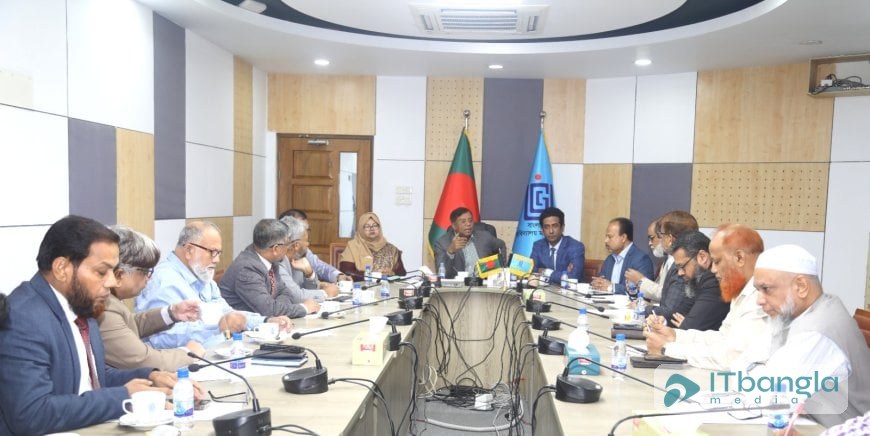
He made the proposal at a meeting with vice-chancellors of 10 agricultural and agriculture-focused universities at the UGC on Sunday, 15 November, and asked them to submit recommendations. The meeting was reported by Digibangla, Jugantor, Dhaka Mail and The Daily Campus.
This year’s admission timeline
The meeting was told that first-year undergraduate admissions under the agricultural cluster for 2026-27 are planned to start in January, with the test in February. The proposed reform is aimed at the following academic year, not this one.

The vice-chancellors said the slow admission process makes it hard to fill seats, especially at newer agricultural universities, and delays the start of classes.
Possible changes to the test
The UGC chairman said no seat should remain vacant because of the admission process and that academic years must start and end on time. He said questions should test subject knowledge, real merit and analytical skills.
The meeting also discussed adding creative (written) questions alongside multiple-choice questions and how much weight SSC and HSC GPA should carry. No decisions have been made on these yet.
Curriculum and internships
The vice-chancellors proposed common guidelines for designing and updating agriculture curricula and greater consistency across agricultural degrees. They also suggested adding courses on career development, research methods and mathematics.
The UGC chairman called for involving industry representatives in curriculum design. He spoke of plans to expand internships to all students over the next five years and make them mandatory and paid, stressing that employers, not only government funds, should be involved.
Citing a recent World Bank report, he said more than 60 percent of graduates in Bangladesh are working in the informal sector because they cannot find jobs matching their qualifications.
Proposals on teacher shortages
Teacher shortages, particularly at the four new agricultural universities, were also discussed. Some vice-chancellors proposed a central recruitment test for teachers. Other proposals included one-year fellowships for teachers from other universities, using retired teachers, and involving Bangladeshi academics working abroad.
On research, the UGC chairman said universities should focus on solving real problems in agriculture, the economy and society rather than only publishing in Q1 and Q2 journals, and asked vice-chancellors to submit research project proposals.
Sources
- Digibangla, 15 November 2026, 5:36 pm (photo source), https:/
/ digibangla tech. news/ 195799 - Dhaka Mail, 15 November 2026, 4:16 pm, https:/
/ dhakamail. com/ education/ 343155 - Jugantor, 15 November 2026, 6:02 pm, https:/
/ www. jugantor. com/ campus/ 1184682 - The Daily Campus, ‘Agricultural Cluster Admission Test Set for February; UGC Considers Creative Questions’, 15 November 2026, https:/
/ english. thedailyca mpus. com/ university – admission/ 3903











Comments